
Seven Affordable Upgrades That Make a Home More Functional
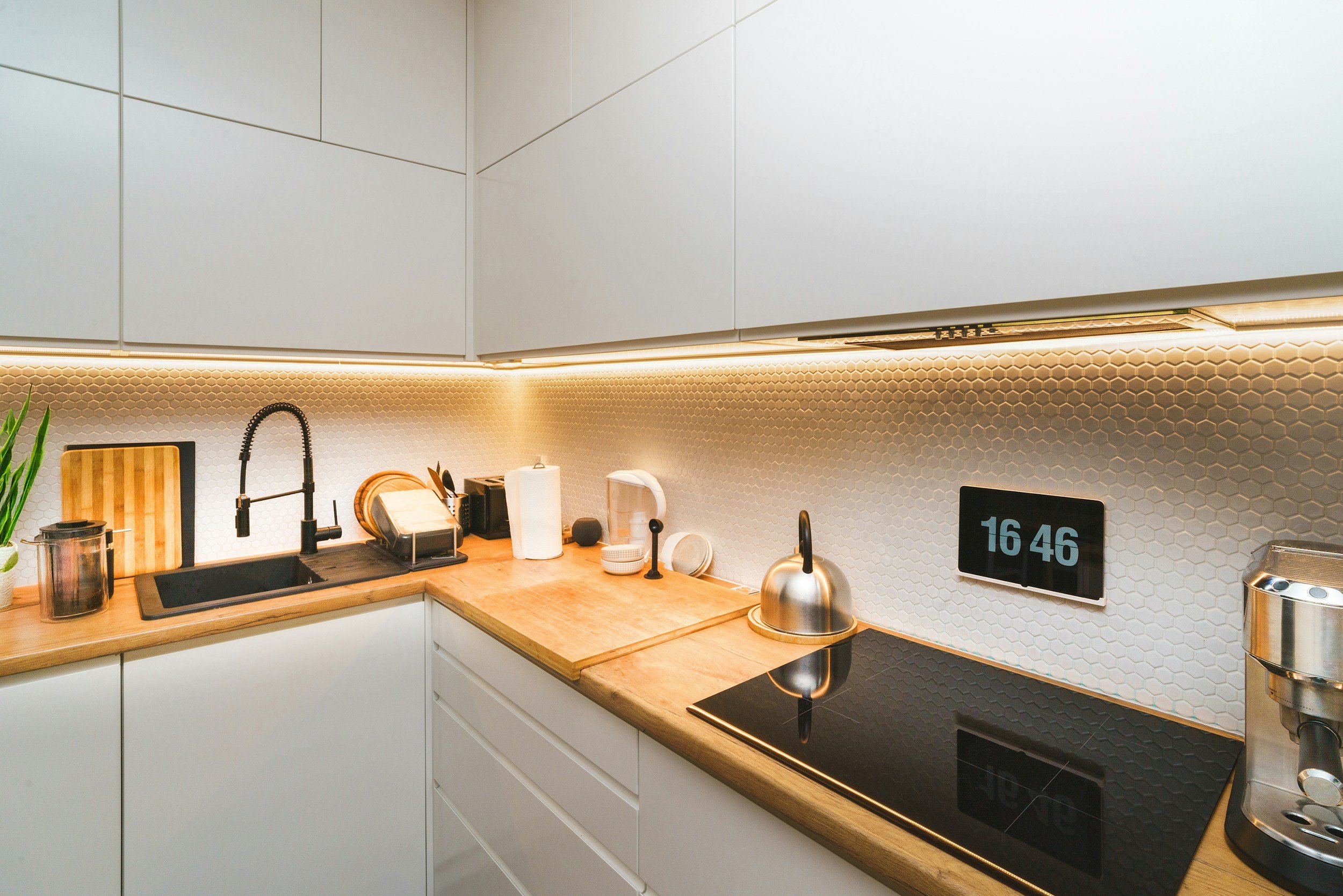
1. Improve Task Lighting
A room can have enough general light and still be difficult to use. Add undercabinet lighting in food preparation areas, a focused lamp near a desk, or motion activated lighting inside closets. Choose color temperature and brightness based on the task, then position the light to reduce shadows and glare.
2. Use Vertical Storage
Open wall space can hold shelves, hooks, pegboards, or narrow cabinets without consuming floor area. Vertical storage is especially useful in entryways, laundry rooms, garages, and small kitchens. Attach loaded storage to suitable framing or use hardware rated for the wall and expected weight.
3. Upgrade Frequently Used Hardware
Drawer pulls, cabinet knobs, door levers, and hooks affect daily comfort more than their size suggests. Replace loose, sharp, or difficult hardware with options that are comfortable to grip and easy to clean. Measure existing hole spacing before ordering replacements.
4. Create an Organized Entry
A defined place for shoes, bags, keys, and mail reduces clutter throughout the home. Combine a washable mat, a small seat, wall hooks, and labeled storage based on the available space. The arrangement should match the way household members naturally enter and leave.
5. Add Adjustable Storage
Fixed shelves can waste space when the objects stored on them vary in height. Adjustable shelving, drawer dividers, and modular bins allow storage to change over time. Measure the items first so the system serves the contents instead of creating another collection of unused containers.
6. Make Outlets Easier to Use
Charging stations and approved outlet accessories can reduce cord clutter. Place charging where devices are actually used and keep cords away from sinks, heat, and walking paths. Electrical changes inside a wall should be completed by a qualified electrician when required.
7. Improve Everyday Comfort
Weather stripping, door sweeps, washable rugs, window coverings, and a programmable thermostat can make rooms more comfortable. Start with the area that causes the most daily frustration and select one upgrade that addresses the specific problem.
Functional improvements work best when they respond to real routines. Observe where clutter collects, which tasks feel awkward, and what household members repeatedly search for. A modest change in the right location can be more valuable than an expensive decorative update.
Choose Upgrades From Daily Friction
Before shopping, spend several days noticing repeated frustrations. Look for bags placed on the floor, poorly lit work areas, outlets that are difficult to reach, doors that collide, and items that never have a clear home. Rank these problems by frequency, safety, and the number of people affected. Then test the smallest reasonable solution. Temporary hooks, a borrowed lamp, or cardboard drawer dividers can confirm whether a location works before permanent installation. Measuring the effect of each change keeps the budget focused on improvements that support actual household routines instead of products that appear useful in a showroom.
