
Smart Plugs vs. Smart Switches: Which Makes More Sense for Different Rooms?
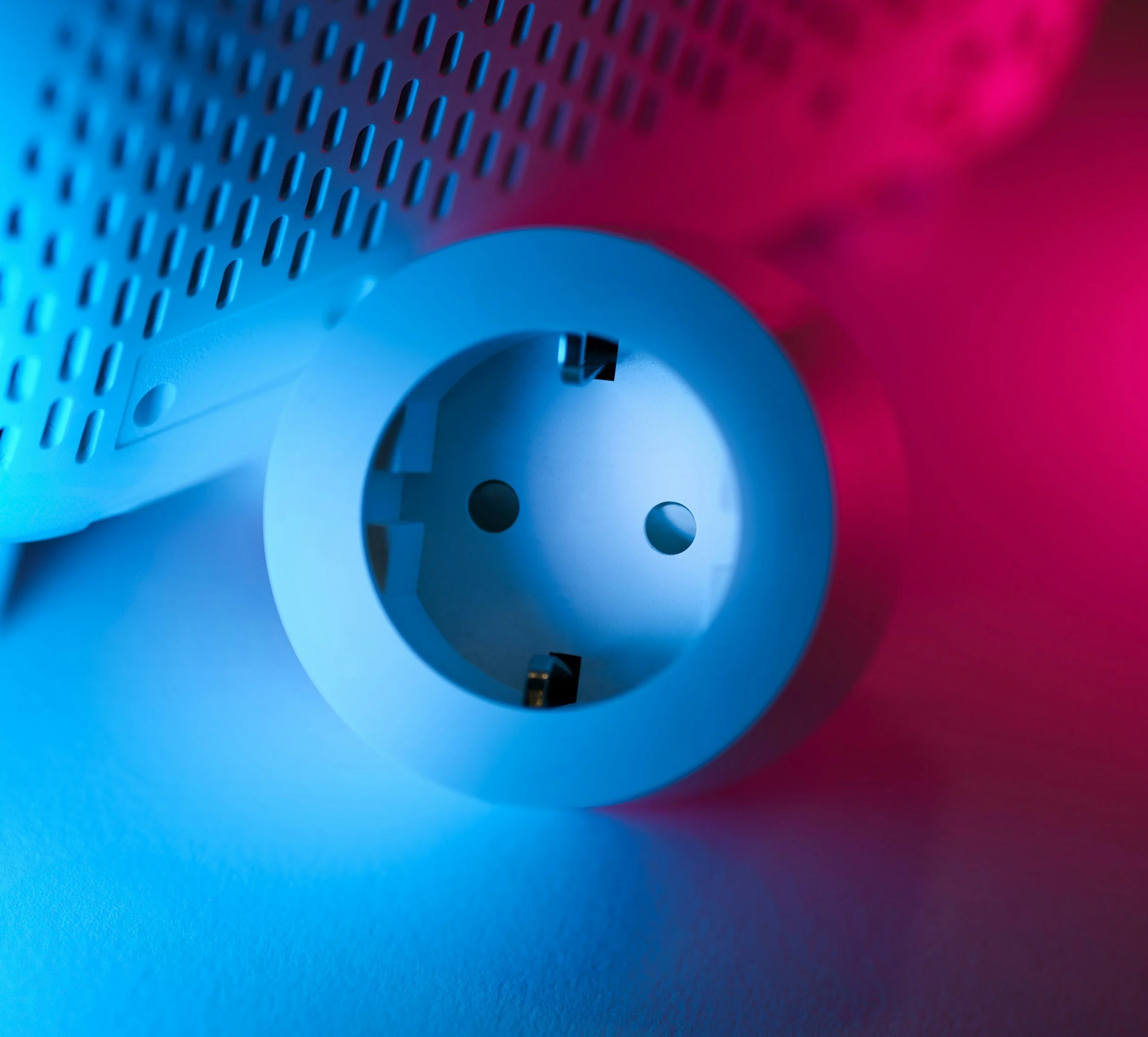
Smart plugs and smart switches can both add schedules, remote control, and voice commands to a home. The better choice depends on what needs to be controlled.
A smart plug is usually best for a portable lamp or small appliance that already connects to an outlet. A smart switch is better for built-in lighting, exterior fixtures, and rooms where everyone should retain normal control at the wall.
Installation also matters. Smart plugs require no wiring and are easy to move. Smart switches provide a cleaner permanent solution but must be compatible with the wiring and electrical load.
Living Room
Smart plugs make sense for individual floor and table lamps. They can group several lamps into one routine without changing the home’s wiring. Models with energy monitoring can also report how much power a connected device uses.
A smart switch is more practical for ceiling lights or several fixtures already controlled by one wall switch. Family members and guests can operate the lighting normally without needing an app.
Do not place a smart plug on a lamp that uses an incompatible electronic control or must be switched on manually after power is restored. Test whether the lamp returns to its previous state when unplugged and reconnected.
Best choice: Smart plugs for portable lamps; a smart switch or dimmer for built-in lighting.
Bedroom
A smart plug works well for a bedside lamp, allowing it to follow a bedtime schedule or turn off without getting out of bed. It is also suitable for low-power devices that are approved for unattended switching.
For the main ceiling light, a smart switch is usually more convenient. It preserves physical wall control and avoids the problem of someone turning off a lamp’s manual switch, which prevents the smart plug from controlling it.
Choose dimmers carefully. The switch, bulb, and electrical load must all be compatible to avoid flickering, limited dimming range, or unwanted glow when switched off.
Best choice: A plug for one bedside lamp; a switch or compatible dimmer for the main light.
Kitchen
A smart switch is useful for overhead, pantry, and under-cabinet lighting, especially when paired with schedules or motion sensing.
Smart plugs require more caution in kitchens. They should not be used to remotely start cooking or high-heat appliances unless the appliance manufacturer specifically permits that use. A coffee maker, toaster, hot plate, or similar appliance may create a hazard if it activates while empty, covered, damaged, or unattended.
A plug may still be useful for decorative lighting or another low-power device within its rating. Keep it away from sinks and other locations where the outlet or device could be exposed to water.
Best choice: Smart switches for lighting; plugs only for suitable low-risk devices.
Home Office
A smart plug or smart power strip can control lamps, speakers, monitors, and selected peripherals. A schedule may reduce standby consumption outside working hours, and energy-monitoring models can help identify which equipment uses power when idle.
Avoid automatically cutting power to equipment that needs a proper shutdown or continuous connection. Computers, network storage, routers, security hubs, and devices performing updates may lose data or stop essential services if power is removed unexpectedly.
A smart switch remains the better option for ceiling lighting. It can also create an automatic workday schedule without tying the room’s main light to a desk setup.
Best choice: Plugs or a smart strip for appropriate accessories; a switch for room lighting.
Hallways and Stairways
Smart switches are generally more useful in circulation areas because the fixtures are built in and wall control must remain obvious. Motion-sensing models can turn lights on when someone enters and switch them off after the area is empty.
Hallways often use three-way or multi-location circuits, with one light controlled from more than one switch. Not every smart switch works with the existing arrangement. Some require a compatible companion switch or a specific installation at the location connected to the load.
Best choice: A compatible smart switch or motion-sensing switch.
Bathroom and Laundry Room
Built-in lights and exhaust fans are usually better controlled at the wall. Use a device specifically rated for the load. A lighting dimmer is not automatically suitable for a fan motor, and a general smart switch may not be approved for every exhaust fan.
Smart plugs are rarely the first choice near sinks, showers, or laundry connections. Electrical equipment in damp locations must comply with applicable outlet protection, product instructions, and local codes.
Automation should not interfere with ventilation needed for moisture control. A timer or humidity-sensing fan control may be more useful than a standard app-controlled switch.
Best choice: Properly rated wall controls installed for the specific light or fan.
Entry and Exterior Areas
A smart switch is usually the cleanest way to automate porch, driveway, and entry lighting. Schedules can adjust lights around sunset, while temporary routines can make a home appear occupied.
For string lights or seasonal decorations, an outdoor-rated smart plug is more flexible. The plug must be approved for outdoor use and connected to a suitable weather-protected receptacle. An indoor smart plug should not be placed outside, even beneath a covered area.
Best choice: A switch for permanent fixtures; an outdoor-rated plug for temporary lighting.
Rentals and Temporary Setups
Smart plugs are the practical choice for renters because they do not require changes to the electrical system. They can move with the resident and return the room to its original condition immediately.
Replacing a wall switch may require the property owner’s permission and professional installation. It is less attractive when occupancy is temporary or when several different wiring conditions may be encountered.
Best choice: Smart plugs unless the property owner approves a permanent installation.
Check Compatibility Before Buying
For a smart plug, confirm the voltage, current, wattage, and permitted load type. Do not assume that a plug rated for a lamp is suitable for a heater, air conditioner, pump, or motor.
For a smart switch, check:
Whether a neutral wire is required
Single-pole or multi-location wiring
Lighting, dimmer, or fan-load compatibility
Maximum LED, incandescent, or motor rating
Wall-box depth and available space
Hub, bridge, Wi-Fi, or Matter requirements
Older switch boxes may not contain a neutral wire. No-neutral products exist, but some require a ground wire, bridge, or particular type of lighting load.
Electrical work should be performed by a qualified person when the wiring is unclear or local rules require professional installation.
Choose Based on the Device, Not the Room Alone
Use a smart plug when the device is portable, safe to switch at the outlet, and likely to move. Use a smart switch when the fixture is permanent, several people need intuitive control, or automation should remain part of the room.
In many homes, the most practical system uses both: switches for permanent lighting and plugs for selected lamps and electronics. The goal is reliable control, not adding smart hardware to every outlet.
