
How to Control Dust During a Home Renovation or DIY Project
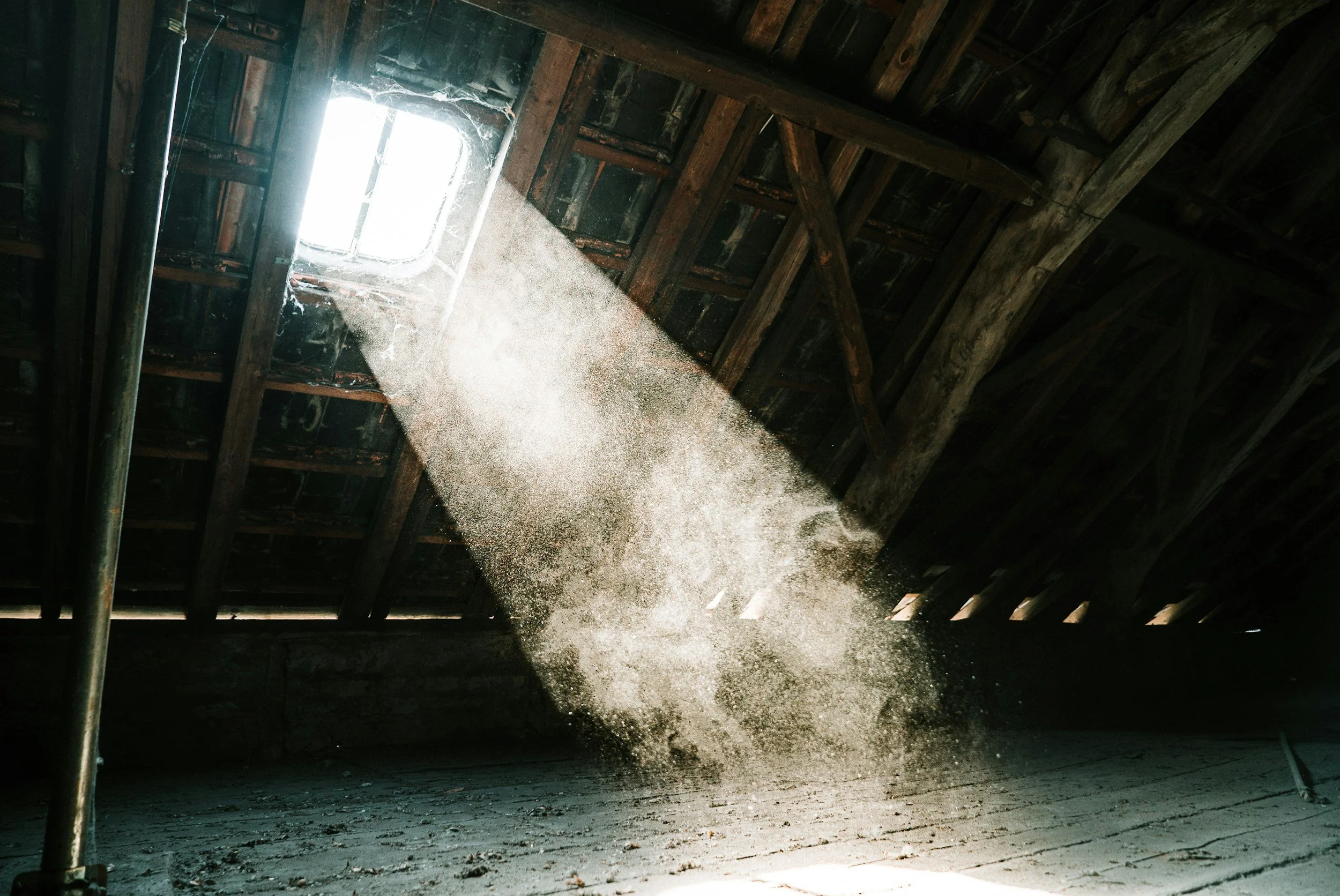
Renovation dust does more than make a house difficult to clean. Fine particles can travel through doorways, heating and cooling ducts, clothing, and ordinary vacuum exhaust. Some projects may also release lead, asbestos, crystalline silica, mold, or chemical vapors.
Good dust control begins before the first cut or demolition step. The basic approach is to identify possible hazards, isolate the work area, capture dust where it is created, and clean methodically throughout the project.
Identify Hazardous Materials Before Starting
Ordinary wood and drywall dust require sensible controls, but some materials should not be disturbed until they have been assessed.
Pause the project if it may involve:
Painted surfaces in a home built before 1978
Old floor or ceiling tiles
Pipe, boiler, or duct insulation
Vermiculite attic insulation
Cement, concrete, brick, mortar, or engineered stone
Significant mold growth or extensive water damage
Materials that cannot be confidently identified
Lead Paint
Renovation work in a pre-1978 home can create hazardous lead dust. The Environmental Protection Agency recommends hiring a lead-safe certified contractor for projects that may disturb lead-based paint.
Federal rules generally require paid contractors working on covered pre-1978 homes and child-occupied facilities to be certified and follow lead-safe practices. Homeowners performing work themselves are not always covered by the same requirements, but the health risk remains.
The EPA’s lead-safe renovation guidance for DIY projects explains how to contain the area, minimize dust, protect occupants, and complete a thorough cleanup. State and local requirements may be stricter.
Asbestos
Asbestos-containing material cannot be identified reliably by sight. It may be found in some older flooring, adhesives, ceiling materials, insulation, siding, roofing, and pipe wrap.
If a renovation will disturb a suspect material, the EPA recommends having it sampled by a properly trained and accredited asbestos professional. Do not sand, scrape, drill, break, or vacuum the material while waiting for an assessment. Review the EPA’s guidance for homeowners planning renovations.
Silica Dust
Cutting, grinding, drilling, or breaking concrete, brick, mortar, tile, and stone can release respirable crystalline silica. The smallest particles may remain airborne and are not always visible.
OSHA guidance emphasizes wet cutting, local exhaust ventilation, and other engineering controls that capture dust at its source. Although OSHA requirements primarily govern workplaces, the same control principles are useful for home projects involving masonry materials.
Empty the Work Area
Remove furniture, rugs, curtains, bedding, clothing, toys, electronics, and other movable belongings before work begins. Dust settles in fabric, vents, drawers, and small openings, making covered items difficult to clean later.
Move food, dishes, toothbrushes, medications, and pet supplies away from the work zone. These items should not remain in an area where airborne dust can settle on them.
Items that cannot be removed should be wrapped completely in heavy plastic sheeting with sealed seams. Simply draping a sheet over furniture leaves openings where dust can enter.
Build a Proper Containment Barrier
Separate the renovation area from the occupied part of the home. Depending on the project, containment may include:
Heavy plastic sheeting over doorways and openings
Taped seams and edges
A zippered temporary doorway
Floor protection extending through the work path
Covered built-in cabinets and shelving
Warning signs to keep occupants out
A separate entrance for workers when practical
For a longer project, create a small transition area where workers can remove shoe covers, vacuum clothing, and bag debris before entering the rest of the house.
Containment must remain intact throughout the job. Repair holes and loose tape promptly instead of waiting until the end of the day.
Protect the Heating and Cooling System
Dust entering a return vent can spread throughout the home. Before dusty work begins, consult the system instructions or an HVAC professional about shutting down the affected zone and sealing supply and return vents inside the work area.
Do not run ordinary heating or cooling equipment with filters or airflow paths blocked in a way that could damage the system. A home may also need safe temperature control during very hot or cold weather.
Replace or inspect the HVAC filter after the project. A higher-efficiency filter may help, but only if the system is designed to handle its airflow resistance. The filter is a backup measure, not a substitute for containment.
Capture Dust Where It Is Created
Stopping dust at the tool is more effective than trying to remove it after it spreads.
Use tools equipped with shrouds and dust-extraction ports connected to a suitable HEPA vacuum. Keep the vacuum running while sanding, sawing, drilling, or grinding rather than waiting to clean afterward.
A vacuum labeled “HEPA” should have a properly sealed filtration system. Attaching a fine filter to a poorly sealed shop vacuum may still allow small particles to escape around the housing or through the exhaust.
For masonry and silica-generating work, use equipment with manufacturer-approved water delivery or local exhaust controls. Follow the tool’s instructions carefully, particularly when water is used near electricity.
Choose Work Methods That Produce Less Dust
Small changes in technique can substantially reduce airborne debris:
Score and snap materials instead of sawing when appropriate.
Use a utility knife for drywall paper and insulation facing.
Mist suitable surfaces lightly before scraping or demolition.
Use wet sanding where the material and finish allow it.
Remove trim and cabinets in larger sections.
Lower debris into containers instead of throwing it.
Bag waste inside the work area.
Use hand tools for small tasks when power tools would create unnecessary dust.
Avoid dry sweeping, aggressive brushing, leaf blowers, and compressed air. These methods lift settled particles back into the air. OSHA’s silica construction guidance favors wet cleanup, HEPA-filtered vacuuming, and other methods that minimize exposure.
Use Ventilation Carefully
For ordinary remodeling dust and pollutants, exhaust ventilation can help keep the work area under negative pressure. This means air moves from the clean part of the home toward the work zone rather than carrying dust outward.
The EPA describes using a securely installed exhaust fan directed from the work area to the outdoors as one possible strategy. A portable HEPA air scrubber designed for construction work can provide better particle capture and more controlled airflow.
Before exhausting air outdoors, consider nearby windows, entrances, neighbors, and local rules. Do not use an ordinary box fan for work involving suspected lead, asbestos, significant mold, or another hazardous contaminant unless the method is part of an appropriate containment plan.
Wear the Right Protective Equipment
Containment and dust capture should do most of the work. Personal protective equipment adds another layer of protection.
Depending on the task, appropriate equipment may include:
Safety glasses or sealed goggles
Hearing protection
Gloves suitable for the material
Disposable coveralls
Shoe covers
A NIOSH-approved respirator selected for the hazard
An N95 respirator filters particles when it fits properly, but it does not protect against gases or chemical vapors. Some renovation tasks require a different filter or respirator. Facial hair and a poor seal can substantially reduce protection.
The National Institute for Occupational Safety and Health recommends selecting respiratory protection based on the specific material and task. Professional workplaces may also be subject to medical-evaluation, fit-testing, training, and respiratory-program requirements.
Keep Dust From Leaving on Clothing and Shoes
Do not walk through clean rooms wearing dusty footwear or work clothes. Use disposable shoe covers, keep dedicated work shoes at the containment entrance, or place a tacky mat at the transition point.
Vacuum clothing with appropriate equipment before leaving the work area. Wash hands and face before eating or drinking, and keep food outside the work zone.
For work involving lead, the EPA recommends disposable protective clothing or washing work clothes separately from household laundry. Children, pregnant people, pets, and anyone not involved in the work should stay outside the contained area.
Clean Throughout the Project
Waiting until the renovation is complete allows dust and debris to accumulate and escape.
At the end of each work period:
Place debris in durable bags or covered containers.
Seal waste before carrying it through the home.
HEPA-vacuum ledges, floors, tools, and horizontal surfaces.
Damp-wipe appropriate hard surfaces.
Wet-mop suitable flooring.
Check containment for holes or loose seals.
Replace overloaded vacuum filters or bags according to the manufacturer’s instructions.
Never empty a dusty vacuum inside the home. Handle the filter and collection container carefully so captured particles are not released again.
Complete a Final Cleaning Before Removing Barriers
Leave containment in place until the work area has received a detailed final cleaning.
Work from higher surfaces toward the floor. HEPA-vacuum walls, trim, window openings, fixtures, cabinets, and floors. Follow with damp wiping and wet mopping where the material permits. Repeat the process if dust remains on the cleaning cloth.
Clean tools before moving them into another room. Fold plastic sheeting inward so dust remains trapped, then bag it before disposal.
Projects involving lead may require a specific cleaning-verification or clearance procedure. Testing by a qualified professional can provide additional confirmation that the area is ready for occupancy.
Know When to Hire a Professional
Professional assessment or remediation may be appropriate when:
Lead paint may be disturbed
A material may contain asbestos
Large amounts of concrete or stone will be cut indoors
Mold covers more than about 10 square feet
Water damage is extensive
Dust has already contaminated the HVAC system or occupied rooms
The project requires specialized containment or respiratory protection
Household members have health conditions that increase exposure concerns
Dust control is part of the project, not an optional cleanup step. Planning for barriers, extraction equipment, waste handling, and final cleaning protects the rest of the home and makes the renovation easier to manage.
