
What Should Homeowners Check Before the First Freeze of the Year?
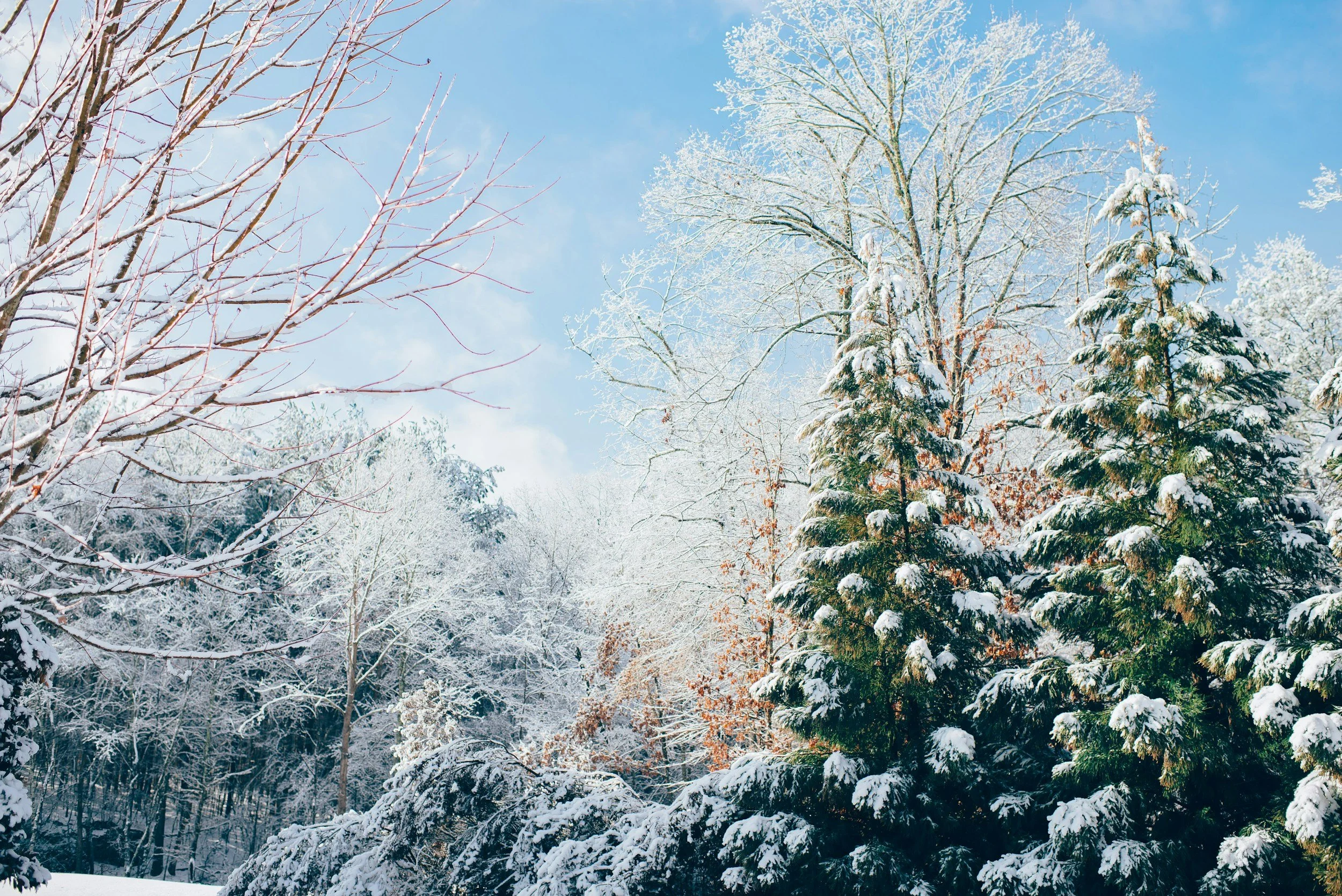
The first freeze can damage plumbing, expose heating problems, and turn small exterior maintenance issues into expensive repairs. Homeowners should prepare before the forecast reaches 32°F, or 0°C, rather than waiting for a prolonged winter storm.
Start with water lines and heating equipment. These systems can cause the most serious damage or disruption if they fail during cold weather.
Disconnect Outdoor Hoses
Remove hoses from outdoor faucets, drain them, and store them in a protected location. A connected hose can trap water in the faucet assembly and increase the risk of freezing.
If the outdoor faucet has an interior shutoff valve, close it and open the exterior faucet to drain the remaining water. Leave the exterior control in the position recommended for the type of faucet.
Insulated faucet covers can provide additional protection, but they do not correct damaged plumbing or pipes installed in an exposed area.
Winterize Irrigation and Seasonal Water Lines
Drain irrigation, pool, fountain, and other seasonal water systems according to the manufacturer’s or installer’s instructions. Some sprinkler systems require compressed-air winterization by a trained professional.
Do not place automotive antifreeze into plumbing, irrigation, or pool lines. The American Red Cross advises using antifreeze only when specifically directed and using a product intended for that system.
Backflow devices, exterior shower lines, and plumbing in detached buildings may also require protection. Confirm which parts remain filled with water after the main seasonal system is shut down.
Protect Pipes in Unheated Areas
Inspect plumbing in crawl spaces, garages, attics, basements, exterior walls, and under sinks. Pipes in these locations are more vulnerable because they receive less heat from the home.
Use pipe insulation intended for the location and pipe size. Seal nearby gaps that allow cold outdoor air to reach the plumbing, but do not block required ventilation or place combustible material against heat-producing equipment.
Know where the main water shutoff is located and make sure it can be reached quickly. If a pipe breaks, shutting off the water promptly can limit damage.
During unusually severe cold, additional precautions may be necessary. The Red Cross recommends keeping garage doors closed when water lines pass through the garage, opening sink cabinets so warm air can circulate, and allowing a small trickle from a faucet served by an exposed pipe when conditions require it.
Test the Heating System
Run the heating system before the first cold night. Confirm that it starts, produces heat, and distributes air or hot water normally.
Replace or clean the filter when required. Clear objects away from furnaces, boilers, radiators, and vents. If the equipment has not received its recommended maintenance, arrange service before contractors become busy with cold-weather calls.
A fireplace, chimney, or wood stove should be inspected and cleaned as appropriate. The U.S. Fire Administration recommends professional inspection of heating equipment and chimneys each year.
Do not use an oven to heat the home. Keep combustible material at least three feet from space heaters, fireplaces, wood stoves, and radiators. Portable heaters should be plugged directly into a suitable wall outlet rather than an extension cord or power strip.
Test Smoke and Carbon Monoxide Alarms
Heating season increases the use of fuel-burning appliances, fireplaces, and backup equipment. Test smoke and carbon monoxide alarms and replace batteries or expired units as directed by the manufacturer.
Make sure alarms are installed in the locations required by local rules. A carbon monoxide alarm does not make unsafe equipment acceptable; it provides a warning when a problem has already developed.
Never operate a portable generator, charcoal grill, or other combustion equipment inside the home, garage, basement, or another enclosed area. Follow the manufacturer’s required distance from doors, windows, and vents.
Clear Gutters and Drainage Paths
Remove leaves and debris from gutters and confirm that downspouts direct water away from the foundation. Trapped water can freeze, add weight, and interfere with drainage during later thawing.
Inspect roof edges, flashing, and visible exterior drainage points from a safe location. Do not climb onto a wet, icy, or steep roof. Hire a qualified professional when safe access requires equipment or experience you do not have.
Drain or store empty planters, watering equipment, and containers that could collect water and crack when frozen.
Check Doors, Windows, and Exterior Gaps
Inspect weather stripping around doors and windows. Replace loose or damaged material and seal appropriate gaps with a product intended for the surface and weather conditions.
Look for daylight around exterior doors and confirm that they latch securely. Close and lock windows so the sash presses against its seals.
Air sealing can improve comfort, but avoid blocking combustion-air openings, exhaust vents, soffit ventilation, or other components needed for safe operation.
Prepare Outdoor Areas
Bring temperature-sensitive plants, liquids, and equipment into a suitable protected area. Store garden tools and outdoor furniture that could be damaged by freezing moisture.
Check steps, walkways, railings, and exterior lighting before icy conditions arrive. Repair loose handrails and uneven surfaces where practical. Keep an appropriate ice-melting or traction product available, considering its effects on pets, plants, and surface materials.
Remove dead or damaged branches that could fall under wind, snow, or ice, using a qualified tree professional when the work is beyond safe ground-level access.
Plan for an Outage or Absence
Keep flashlights, batteries, blankets, drinking water, necessary medications, and basic food available. Charge backup power banks before severe weather and know how household members will receive weather alerts.
If the home will be vacant, do not simply turn the heat off. The Red Cross recommends maintaining at least 55°F during cold-weather absences. Conditions vary, and properties with exposed plumbing may require a higher setting or professional winterization.
Arrange for someone to check the property during an extended absence. A smart thermostat or leak sensor can provide useful alerts, but it cannot stop every freeze or water leak.
Complete the Highest-Risk Work First
If time is limited, disconnect hoses, protect exposed plumbing, confirm the heating system works, test alarms, and locate the main water shutoff. These tasks address the failures most likely to threaten safety or cause significant property damage.
Complete the checklist while temperatures are still comfortable. Cold-weather preparation is easier and safer before surfaces become icy and emergency repair services are in high demand.
