
Heat Pump vs. Furnace: What Homeowners Should Know Before Replacing a Heating System
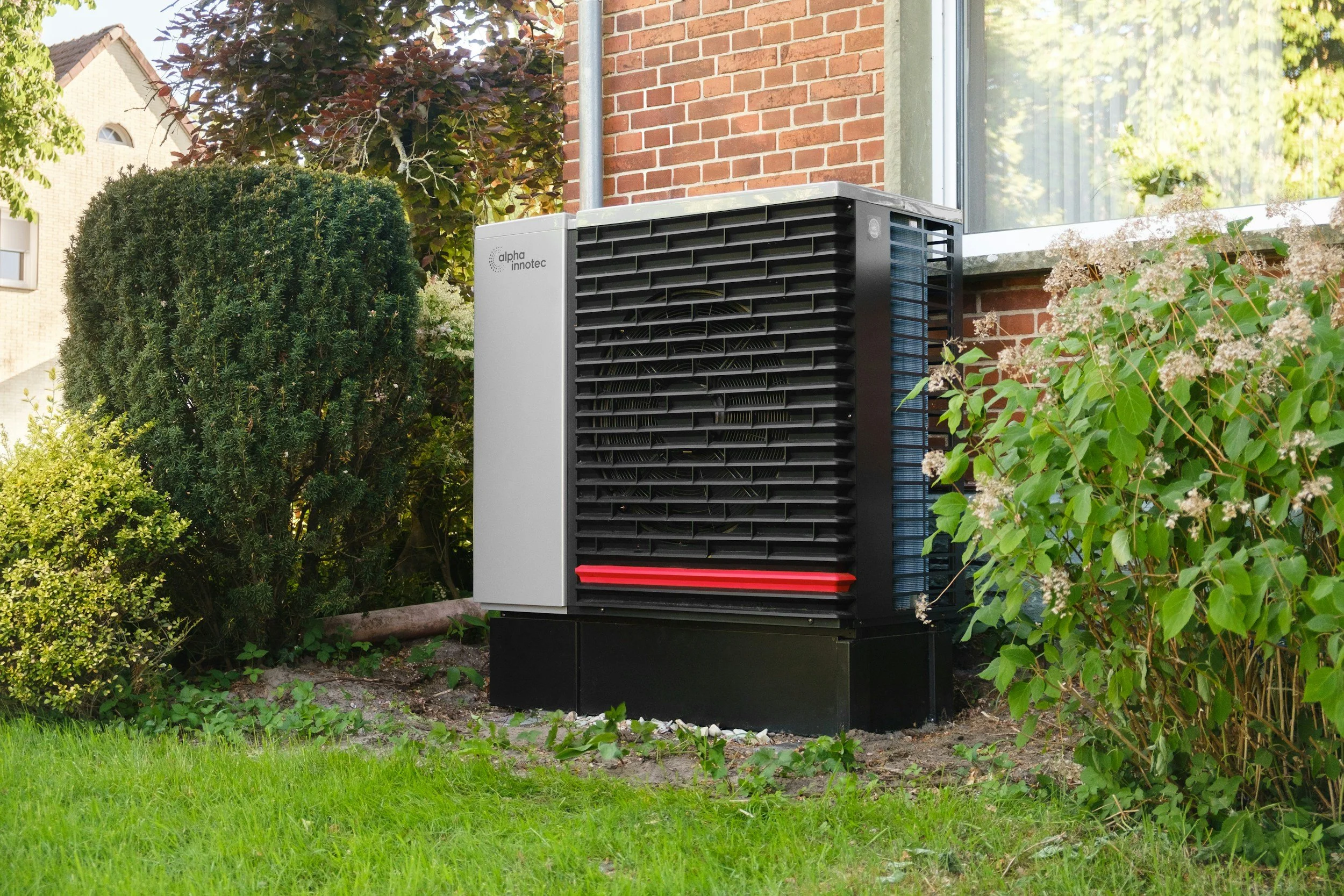
Replacing a heating system involves more than choosing between gas and electricity. The home’s climate, insulation, ductwork, electrical capacity, cooling needs, and local utility rates can all affect which system makes more sense.
A furnace creates heat. A heat pump moves heat from one place to another and can normally provide both heating and air conditioning. Either can work well when it is properly selected, sized, and installed.
How a Furnace Works
A furnace heats air and distributes it through ducts. Gas, propane, and oil furnaces burn fuel, while electric furnaces use electric resistance elements.
Fuel-burning furnaces produce relatively hot supply air and can heat a home quickly. They remain common in regions with long, cold winters and established natural-gas service.
A furnace does not provide cooling. Homes that need air conditioning generally require a separate outdoor air-conditioning unit connected to the furnace’s indoor blower and duct system.
How a Heat Pump Works
An air-source heat pump uses refrigerant and electricity to transfer heat. During winter, it extracts heat from outside air and moves it indoors. During summer, it reverses direction and removes heat from the home, functioning as an air conditioner.
Because it transfers heat instead of producing all of it directly, a heat pump can provide more heat energy than the electrical energy it consumes. The Department of Energy reports that current heat pumps can use considerably less electricity for heating than electric resistance furnaces or baseboard heaters.
Heat pumps are available as central ducted systems and ductless mini-splits. Geothermal systems exchange heat with the ground but involve different installation requirements and substantially more site work.
Climate Is Important, but Cold Weather Does Not Automatically Rule Out a Heat Pump
Older heat pumps often performed poorly during extended cold weather. Modern cold-climate models can maintain useful capacity at much lower outdoor temperatures.
However, performance still varies by model. A system that works well during a mild winter may not be appropriate for a home that regularly experiences temperatures below zero.
ENERGY STAR’s cold-climate designation requires qualifying heat pumps to demonstrate specified capacity and efficiency at 5°F. Homeowners in colder regions should compare the manufacturer’s performance data at local winter design temperatures, not just the general efficiency rating printed on a brochure.
Ask the contractor how much heat the unit can deliver on the coldest expected days and when backup heat would operate.
Backup Heat Options
A heat pump may be installed with electric resistance backup heat. This can provide additional heating during very cold conditions, but resistance heat generally costs more to operate than the heat pump itself.
Another option is a dual-fuel system. This combines an electric heat pump with a gas or propane furnace. The heat pump operates when outdoor conditions favor it, and the furnace takes over when temperatures fall or fuel becomes the more economical option.
Dual fuel can be useful in a cold climate or in a home that already has a serviceable furnace. The controls must be configured correctly so the two systems change over at an appropriate temperature.
Compare Total Heating and Cooling Needs
A furnace should not be compared with a heat pump in isolation if the home also needs air conditioning.
Replacing both an aging furnace and an aging central air conditioner with one heat-pump system may be more attractive than replacing a working furnace that is only halfway through its useful life. Conversely, installing a heat pump may be less compelling if the home has a new, efficient air conditioner and inexpensive gas heat.
Ask for estimates that cover equivalent needs:
Furnace alone
Furnace and central air conditioner
Heat pump with any required backup heat
Dual-fuel system
Ductless heat pumps for selected rooms or zones
The lowest equipment price is not necessarily the lowest complete project cost.
Installation Costs Depend on the House
A heat pump installation may require refrigerant lines, condensate drainage, an outdoor unit, a suitable indoor air handler, and electrical service with enough capacity.
Switching from a fuel-burning furnace may also require changes to the ducts, thermostat, electrical panel, or service connection. Removing an unused oil tank or modifying gas and venting systems can add expense.
A furnace replacement may be comparatively straightforward when the same fuel, ductwork, venting, and location can be reused. A high-efficiency condensing furnace may still need new vent pipes and condensate drainage.
Request a written estimate showing equipment, labor, permits, electrical work, duct modifications, removal, controls, and warranty coverage.
Operating Cost Depends on More Than Efficiency
A high-efficiency rating does not automatically produce the lowest bill. Operating cost depends on:
Local electricity and fuel prices
Winter temperatures
Home insulation and air leakage
System size and efficiency
Thermostat settings
Duct leakage
Backup-heat use
Maintenance and installation quality
A heat pump often has a strong operating-cost advantage when replacing electric resistance heat. The comparison with a high-efficiency gas furnace is more location-specific because electricity and gas prices vary.
Ask contractors to estimate annual heating use with local utility rates. If possible, compare the calculations rather than accepting a general promise about savings.
Understand the Efficiency Ratings
Furnaces are rated using annual fuel utilization efficiency, or AFUE. A higher AFUE indicates that a larger share of the fuel’s energy is converted into usable heat over a typical season. It does not include all electricity used by blowers and other components.
Heat pumps use different measures. HSPF2 describes seasonal heating efficiency, while SEER2 describes seasonal cooling efficiency. Higher ratings generally indicate better efficiency under the applicable test procedure.
AFUE and HSPF2 measure different things and should not be compared as though they were the same percentage. A contractor should explain how each proposed system is expected to perform in the home’s climate.
Comfort May Feel Different
A furnace usually delivers hotter air in shorter cycles. A heat pump commonly supplies gentler heat for longer periods.
The air from a heat pump may feel cooler at the vent even while the system is maintaining the correct room temperature. This does not necessarily mean it is malfunctioning.
Variable-speed heat pumps can adjust their output instead of repeatedly switching fully on and off. When properly sized, they may provide more even temperatures, improved humidity control during cooling season, and quieter operation.
Oversized equipment can create short cycles, uneven temperatures, excess noise, and reduced efficiency. Bigger is not automatically better.
Insulation and Ductwork Affect Either Choice
New equipment cannot fully compensate for major air leaks, poor insulation, or damaged ducts. A smaller, correctly sized system in an improved home may perform better than oversized equipment installed without addressing the building itself.
Before replacement, consider:
Sealing obvious air leaks
Inspecting accessible ducts
Correcting damaged or disconnected duct sections
Evaluating attic insulation
Improving return-air pathways
Addressing rooms that are consistently too hot or cold
Ductless heat pumps may be useful when a home has no ducts, an addition is difficult to serve, or only certain areas need conditioning.
Fuel-Burning Furnaces Require Combustion Safety
Gas, propane, and oil furnaces require proper venting and combustion-air management. Heat exchangers, burners, flues, and related components should be inspected as recommended.
Homes with fuel-burning appliances should have properly located and maintained carbon monoxide alarms. Local codes and manufacturer instructions determine installation requirements.
An all-electric heat pump does not produce combustion gases in the home. It still requires professional refrigerant, electrical, and mechanical installation.
Ask for a Heating-Load Calculation
Do not allow a contractor to size the replacement solely from the old equipment’s capacity or the home’s square footage.
Ask for a room-by-room or whole-house heating and cooling load calculation based on the home’s construction, windows, insulation, air leakage, orientation, and local weather conditions. Existing equipment may have been oversized, especially if insulation or windows have changed since it was installed.
For a heat pump, ask for its capacity at the local winter design temperature. Also ask how often the estimate assumes backup heat will run.
Questions to Ask Each Contractor
Before comparing bids, ask:
What heating and cooling load did you calculate?
Why is this equipment size appropriate?
How does the heat pump perform at low outdoor temperatures?
What type of backup heat is included?
At what temperature will backup heat operate?
Are the indoor and outdoor units a certified matched system?
Does the electrical panel need an upgrade?
Will existing ducts be tested or modified?
Who obtains the permit and inspection?
What labor and equipment warranties apply?
What maintenance does the system require?
Are current rebates or tax incentives available, and who verifies eligibility?
Incentive programs can change and may have efficiency, income, location, or installation requirements. Confirm eligibility through the applicable government agency or utility before treating an incentive as guaranteed.
Which System Is the Better Choice?
A heat pump may make more sense when the home needs both heating and cooling, currently uses electric resistance heat, has suitable electrical capacity, or is located where an appropriate model can handle the climate efficiently.
A furnace may remain practical when the home has reliable gas service, experiences severe winters, has relatively low fuel prices, or would require expensive electrical and structural changes for a heat pump.
A dual-fuel system may provide a middle path for homeowners who want heat-pump efficiency during moderate weather and furnace output during colder periods.
The best decision comes from comparing complete systems under the home’s actual conditions. Obtain more than one detailed estimate, insist on proper sizing, and compare expected operating costs as well as installation prices. The quality of the design and installation can matter as much as the equipment type.
