
HVAC Air Filters Explained: MERV Ratings, Proper Fit, and Replacement Schedules
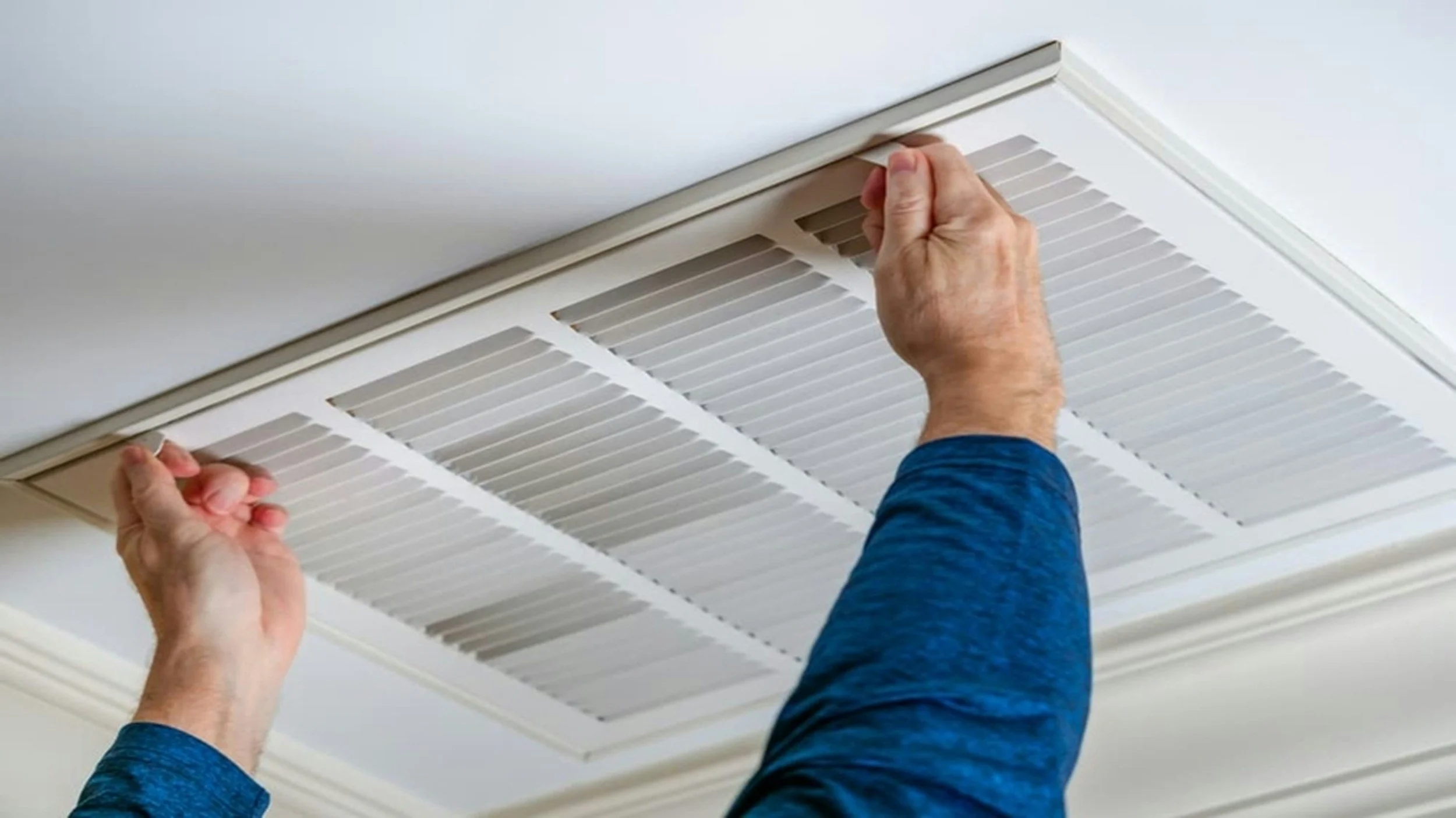
An HVAC air filter helps protect heating and cooling equipment from dust while also removing some particles from the air moving through the system. Choosing one should involve more than finding a package that fits into the return grille.
The filter must have the correct dimensions, face the right direction, and allow enough airflow for the equipment. It also needs to be replaced before accumulated debris makes the system work harder.
What Does a MERV Rating Mean?
MERV stands for Minimum Efficiency Reporting Value. It measures a filter’s ability to capture particles between 0.3 and 10 microns under standardized testing.
MERV ratings generally run from 1 to 16 for common HVAC filters. A higher number indicates better capture of certain particle sizes, but it does not automatically mean that the filter is appropriate for every system.
A simplified way to understand common residential choices is:
MERV 1–4: Basic filtration for larger dust and debris
MERV 5–8: Improved capture of household dust, pollen, and similar particles
MERV 9–12: Better filtration of smaller airborne particles
MERV 13–16: Higher-efficiency filtration, including substantially better capture of smaller particles
The EPA’s explanation of MERV ratings recommends MERV 13, or the highest rating the system’s fan and filter slot can accommodate, when higher-efficiency filtration is desired.
That compatibility language matters. A filter that restricts airflow too much can reduce comfort, increase energy use, or contribute to equipment problems.
Is the Highest MERV Rating Always Best?
Not necessarily. Dense filter material can create more resistance to airflow, especially when used in a narrow one-inch filter slot or an older system.
Before increasing the MERV rating, check:
HVAC equipment manual
Existing filter specifications
Filter-slot thickness
Manufacturer recommendations
Airflow requirements
Guidance from a qualified HVAC technician
Possible signs that a filter is too restrictive include weak airflow at the vents, unusually long heating or cooling cycles, increased noise, or equipment shutting down unexpectedly. These symptoms can have other causes, so they should be evaluated rather than blamed automatically on the filter.
Higher-efficiency filtration may be easier to accommodate with a deeper filter that provides more surface area. Changing from a one-inch filter to a four-inch filter, however, usually requires a compatible cabinet and should not be improvised.
MERV, MPR, and FPR Are Not the Same
Shoppers may see several rating systems:
MERV is based on a widely used industry test standard.
MPR is a proprietary rating used on certain filter brands.
FPR is another proprietary retail rating.
These numbers are not directly interchangeable. A large MPR or FPR number should not be compared numerically with a MERV rating.
Look for a MERV value or a manufacturer conversion guide when comparing different brands.
HVAC Filters Mainly Capture Particles
Standard HVAC filters are primarily designed to capture airborne particles. Depending on efficiency, these may include:
Dust
Pollen
Pet dander
Mold spores
Fine airborne particles
Some particles associated with smoke
A particle filter does not necessarily remove gases or odors. Filters containing activated carbon may reduce certain odors, but performance varies with the amount of carbon, airflow, and contaminant.
An HVAC filter is also not a substitute for controlling moisture, repairing mold sources, ventilating when appropriate, or safely removing indoor pollutants.
How to Find the Correct Filter Size
Check the dimensions printed on the edge of the existing filter. A label may read something such as 16 × 20 × 1 or 20 × 25 × 4.
The listed dimensions may be nominal rather than exact. Two filters carrying the same nominal size can have slightly different actual measurements. When fit is uncertain:
Turn off the HVAC system.
Remove the existing filter.
Read the size printed on its frame.
Measure the filter’s actual length, width, and thickness.
Measure the filter slot or return grille.
Check the equipment manual or cabinet label.
The filter should slide into place without being crushed or forced. It should also fit snugly enough that air cannot easily travel around its edges.
The EPA’s guide to air cleaners in the home notes that residential HVAC filters commonly range from one to five inches thick. The filter should fit without bending and should not leave gaps that allow air to bypass it.
Install the Filter in the Correct Direction
Most disposable filters have an arrow printed on the frame. The arrow shows the intended airflow direction.
Point the arrow toward the HVAC equipment or blower and away from the return-air room. In a wall or ceiling return grille, this usually means the arrow points into the duct. In a filter slot beside a furnace or air handler, it points toward the unit.
Before removing the old filter, take a photograph showing its orientation. Mark the airflow direction near the slot if it is not already labeled.
Do not rely on the direction of the filter’s wire backing alone. Follow the manufacturer’s arrow.
Make Sure Every Filter Location Is Covered
Some homes have one filter at the air handler. Others have filters behind several return grilles. A system may also have more than one return serving different floors.
Check for:
Filter cabinet beside the furnace or air handler
Large wall return grille
Ceiling return grille
Separate filters for multiple HVAC systems
Filter inside a ductless unit
Do not place filters at both the equipment and every return unless the system was designed for that arrangement. Extra filters can add unnecessary airflow resistance.
Ductless mini-split systems often use washable screens rather than disposable furnace filters. Follow the unit’s manual for removal, cleaning, drying, and reinstallation.
How Often Should an HVAC Filter Be Replaced?
There is no single replacement schedule for every home. Filter thickness, system runtime, indoor conditions, and manufacturer instructions all matter.
A practical starting point is to inspect the filter every month. ENERGY STAR recommends checking central HVAC filters monthly and cleaning or replacing them when dirty.
Many one-inch disposable filters need replacement every one to three months. Deeper media filters may last several months, but their service life varies. Always follow the equipment and filter manufacturer’s guidance.
A filter may need attention sooner when:
The system runs frequently
Several people live in the home
Pets shed indoors
Windows are regularly left open
Indoor smoking occurs
Wildfire smoke affects the area
Renovation or sanding creates dust
The home is near a dusty road or construction
A household member is sensitive to airborne particles
A lightly used vacation home may need less frequent replacement, but the filter should still be inspected before heavy seasonal use.
Signs That a Filter Needs Replacement
Replace or clean the filter when:
Its surface is visibly covered with dust and debris
Airflow from the vents seems weaker
Dust is collecting around the return grille
Heating or cooling cycles seem longer
The system has been operating during smoke or renovation work
The manufacturer’s replacement indicator has changed
The recommended service interval has passed
Color alone is not a perfect measure. Some filters darken quickly because they are capturing particles effectively, while debris may also be hidden deeper in the pleats.
Do not vacuum a disposable filter and return it to service unless the manufacturer specifically allows it. Cleaning can damage the filter material without restoring its original performance.
Create a Simple Filter Routine
Write the filter size and approved MERV range near the equipment or save them in a home-maintenance file. Keep a replacement filter available so a dirty one is not left in place while waiting for an order.
Each time the filter is changed:
Turn the system off.
Confirm the replacement size.
Check the airflow arrow.
Make sure the filter sits flat.
Close the cover securely.
Write the installation date on the frame.
Set a reminder to inspect it next month.
If the system has persistent airflow problems, unusually dirty filters, moisture near the equipment, or no obvious place for a filter, schedule an HVAC inspection.
The right HVAC filter is not simply the most expensive or highest-rated option. It is one that provides useful filtration, fits tightly, allows proper airflow, and is replaced often enough to do its job.
